A few weeks ago, I did this really weird thing. I dug through tons of photos on my computer and created an album of images of me. I did it because I’d decided I’d make things easier for whichever of my loved ones — probably one of my sisters — might get charged with this onerous task for my memorial service. Why not cut out the middle woman and do it myself? Although I am, as far as I know, healthy as a horse, my impending death feels less and less hypothetical to me, not only because I’m getting older, but also because both my father and brother died in recent years. My brother out of the blue. In fact, I got the idea to create my own damn photo memorial presentation as I stood and watched images of them scroll by at their “celebrations of life”— baby to boy to man. It felt like a necessary part of the event.
At any rate, cobbling together images of myself has been a strange and wonderful exercise that’s reconnected me to an incredibly basic (and queer, I think) Buddhist lesson: We are not who we think we are. Identity is, rather, the illusory effect of a sort of narrative, a stitching together of different moments or sense impressions into an idea of oneself. More specifically, thoughts in the form of memories and speculations give rise to another thought that bears our name, one to which we are inclined to attach ourselves quite stubbornly. From this point of view, almost of all of who we take ourselves to truly be — the basic “I am….” — is itself an epiphenomenon of thought, indeed nothing more than a mere thought itself, albeit a powerful one. No wonder I feel a yawning distance as I review this string of photos of “me.” Put simply, by the Buddha’s reckoning, it makes perfect sense that I do not always emotionally connect with the person I see in these photos, because I am not — nor was I ever — really her.
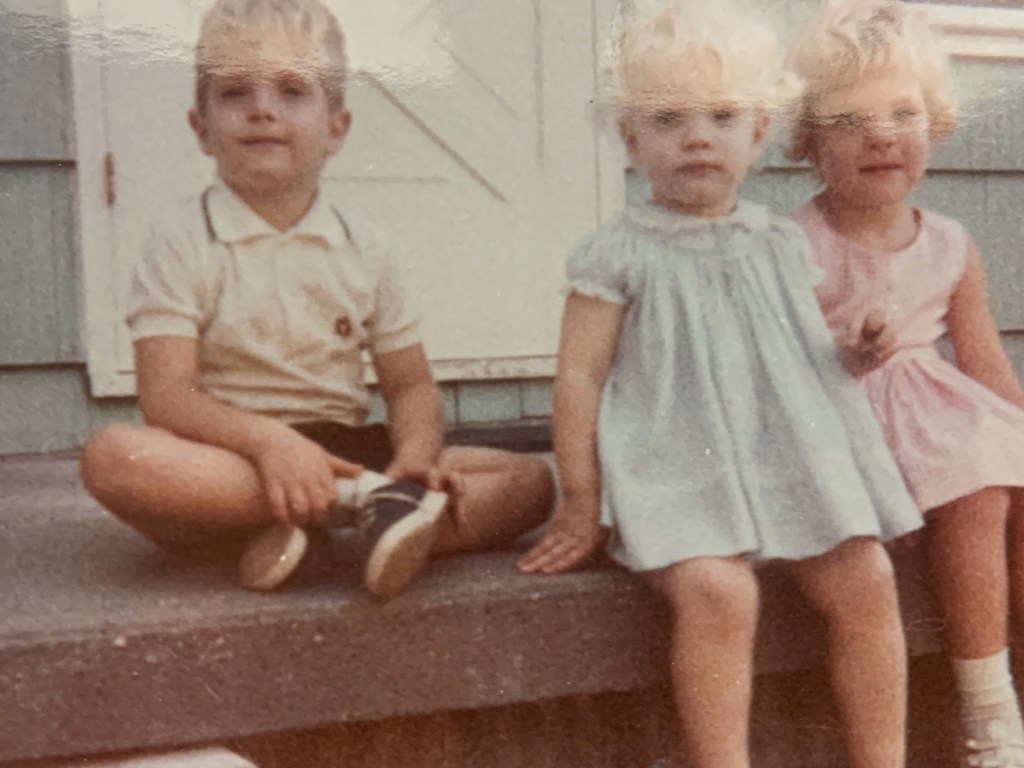
The normal, socially acceptable and expected approach to handling photos (or memories) of ourselves is, of course, quite different. When sharing a family photo album with a new friend or lover, for example, we may start at the “beginning”: “Here I am as a baby.” “This is me when I started school.” “This was taken right after that important basketball game.” It’s almost as if we were authors or directors eager to create a coherent and interesting story for this new person in our life, one that confirms who we want to be to them. It is also likely to include various retrospective speculations to help rationalize current habits or identity commitments, to help them make sense of the person they experience us to be now: “Look at how I preferred to play with trucks rather than dolls.” “See how I was dressed up as a teacher in this one.” “Notice how sweetly I held that kitten, lover of animals that I am.”
But it isn’t solely, or even primarily, for others that we weave these (typically elaborate) narratives of ourselves. Perhaps most importantly, we look back on such visual proof of our past to renew our own sense of self-continuity and coherence. For the most part, we seem to need to build and assiduously maintain an edifice of self, complete with a past, present, and likely future. I say that we “seem to need” to do this, because, from a Buddhist point of view, this “need” itself, while psychologically normal and to be expected, is not ultimately consistent with spiritual deepening. So long as we identify ourselves with snapshots of our bodies — be it in the form of actual images, memories, or other memorializations— we are operating in a realm of illusion, of maya. And it is a dance that keeps us on the surface of existence.
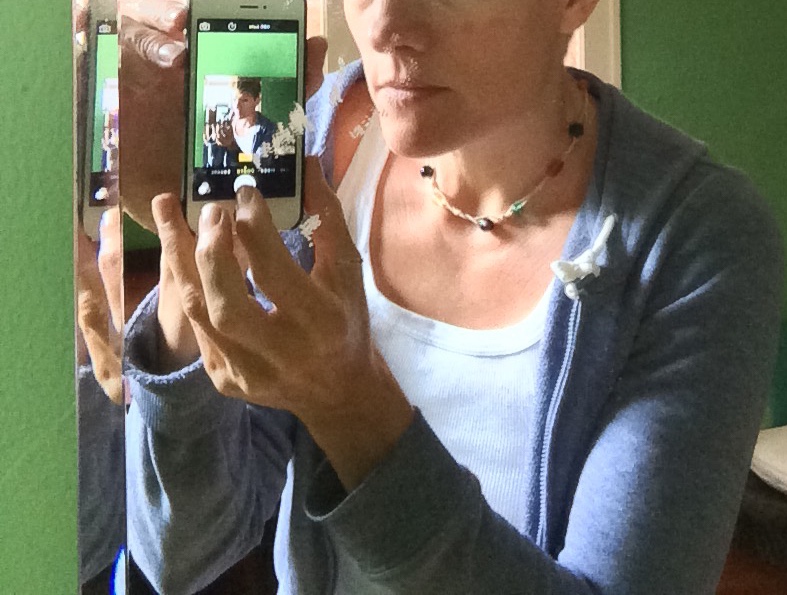
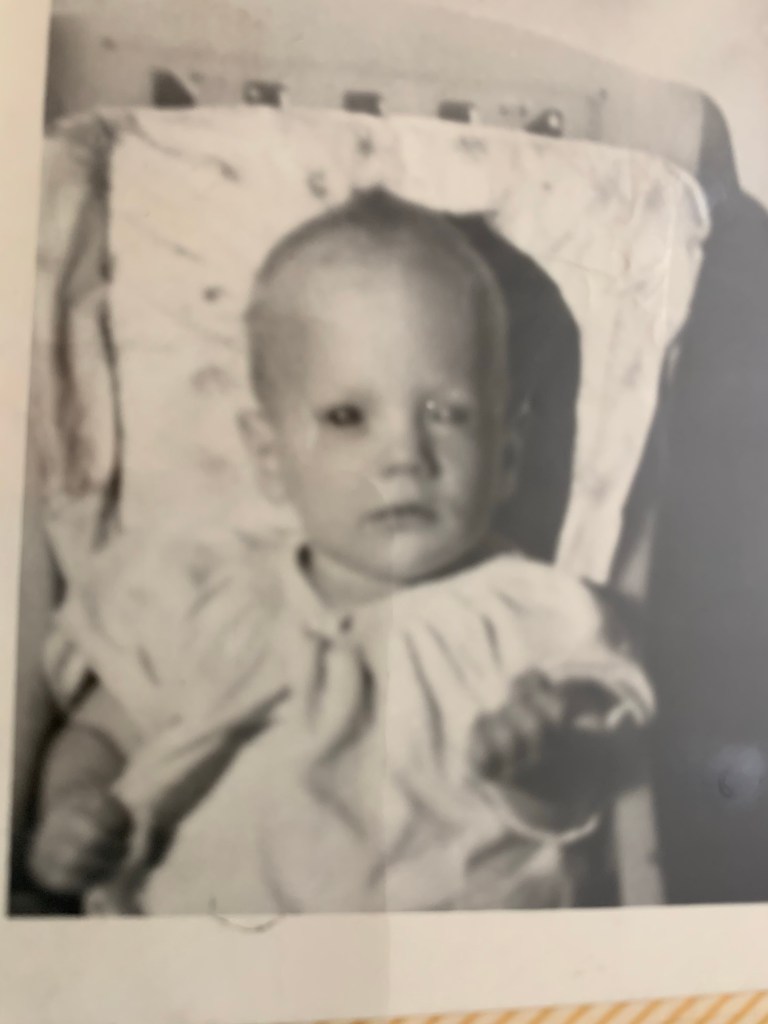
A quite different potential use of self-portraits (and memoir) could be that, rather than being called upon to reify our identity stories, they might, instead, become a means of transcending such egoic attachment, at least for a moment. I mean, is there any meaningful sense in which I am the baby in that blurry black and white image? I guess I might be able to say that I remember a past version of me who might remember a past version of that person who who might remember being that baby. But this too rings false because even when I peer into the mirror now — if I am quiet enough when I do it — it quickly become obvious to “me” that even this current reflective “snapshot” is not me. Not those eyes or that mouth or that chin. No, as familiar, useful, disconcerting or dear as that bodily reflection often is to me, it is not who I am.
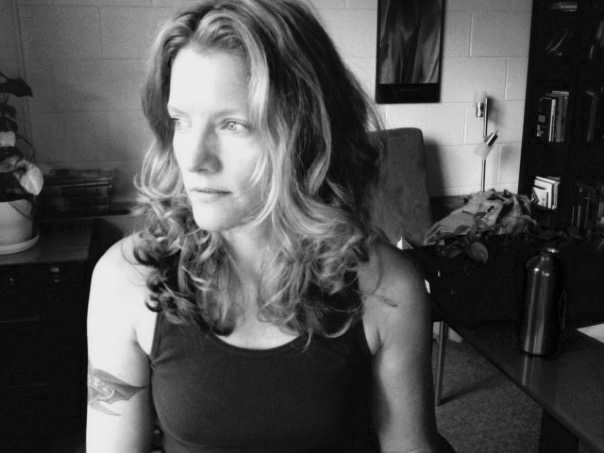
Sitting here now, I look forward to the day that these pictures of “me”scroll past on a video screen in a relative’s living room or, maybe, in a local meeting hall (assuming I accumulate enough new people by then to justify the larger space). These shallow visual artifacts will, I hope, help my various loved/liked ones connect to their stories about me, make them laugh and inspire them to share irreverent accounts of what we said and did together. I am even happy for them to poke fun at the goofy expression on my face in that one photo or speculate about what motivated me to get that particularly tacky tattoo or radically short haircut. After all, regardless of who’s telling them, these stories about “me” are not particularly personal. I am no more the being in these pictures than the finger pointing at the moon is the moon itself.
If you’d like to be notified by email of new posts, hit the menu button above to find the subscribe link.
 OtherWise Philosophy