I am alone. And although I have, like many of us, viscerally experienced this in flashes and pangs across my life, I have also explicitly wrestled what it means. In fact, exploring my changing relationship to aloneness is one way I’ve reliably learned about the evolving state of my internal well being over the years. For sure, my sense of intense aloneness began very early. In the oldest photos of me, I look bewildered and misplaced, as so many babies do, like a space traveler who has been pulled into the orbit of a strange, unwelcoming planet.
I suspect that one reason I reach for this ET analogy is the association “alienation” has with Existentialism, a philosophy I gravitate toward and that is rooted in a respect for loneliness. According to Sartre and his ilk, feeling separated, stranded, and dislocated relative to the life situation into which we have been “thrown” is an essential element of our human condition. There is an ineluctable and necessary flavor of aloneness for conscious human subjects, from this point of view, and the road to authenticity demands that we turn and face this stark truth. The inauthentic alternative is, unsurprisingly, that we lose ourselves in the usual routines, obsessions, and addictions that permit us to temporarily and partially hide out in various forms of unconsciousness.

Another way we avoid aloneness, I think, is to paper it over with something prettier, for example, “solitude.” Here, we may recognize the necessity and poignancy of being alone but seek to bypass it by transforming and translating it into something pleasant and romantic. It is surely no accident that the “solitude” that so many sing and write about is frequently contingent on gorgeous backdrops: mountain vistas, sunsets, or pristine beaches. But any experience of “solitude” that has not been achieved through a genuine reckoning with aloneness will, it seems to me, result in sporadic good feelings of superficial poetry and self-delusion. Even worse, we may later recall those moments in the sunset’s glow and berate ourselves for our failure to make that magic last.

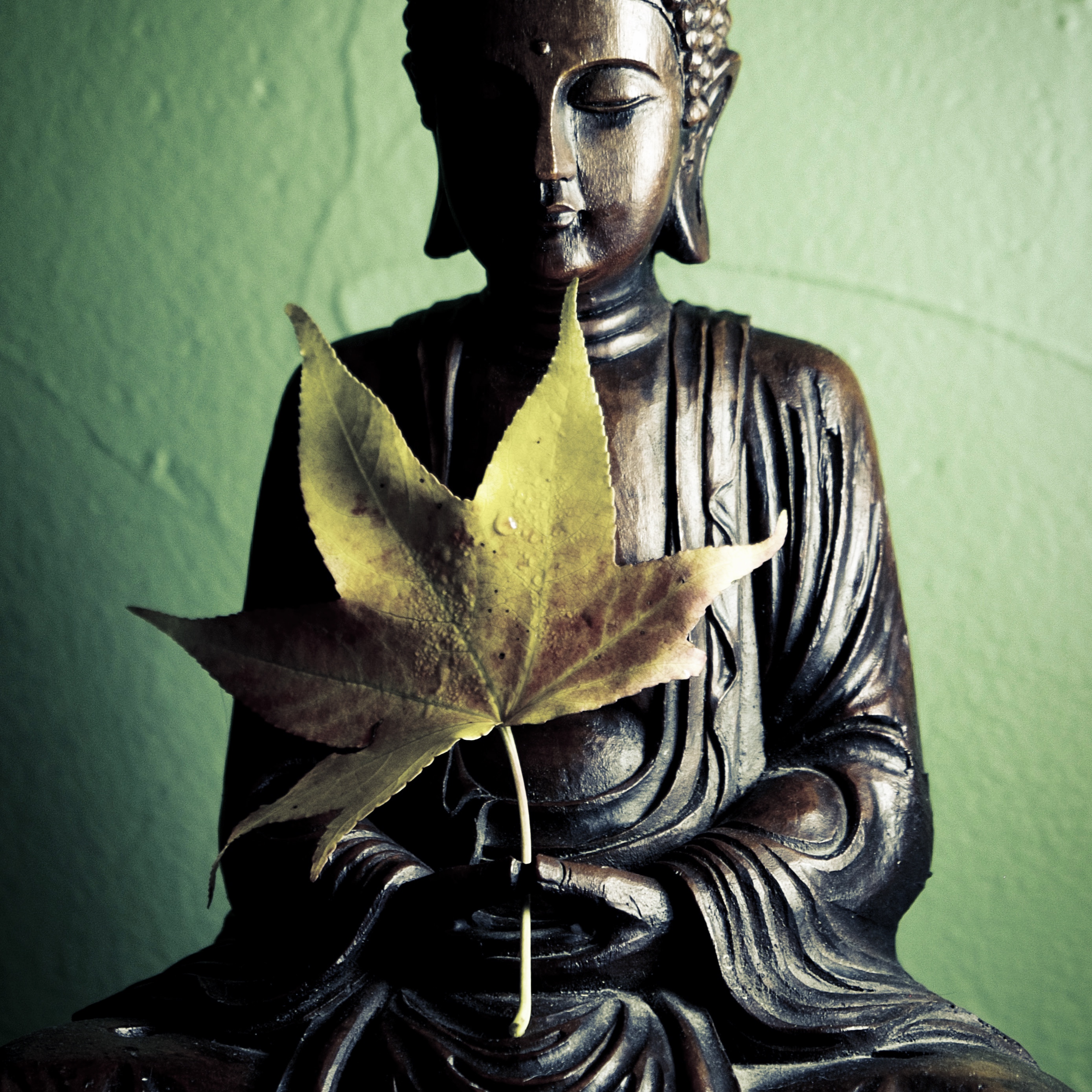
Some think that, partly because of its emphasis on alienation and angst, Existentialism is a pessimistic philosophy, but I have long found comfort in it. For one thing, it assures me that my apparently primordial sensations of isolation and apartness haven’t been pathological or particular to me, but are a predictable consequence of being a conscious human being. And, in some respects, Existentialism is also consistent with the Buddha’s accounts. His teachings too are rooted in the recognition that, in order to find “salvation,” we must pass through the doorway of our own lonely consciousness.
“Be lamps unto yourselves,” the Buddha says, and it is advice that simultaneously amplifies my aloneness and comforts me. For one thing, although I may be radically alone, it feels kind of okay, because, wow, I am actually pretty powerful. I am—who knew?!—capable, through my own effort and commitment, of finding my way. And there is also the gorgeous paradox that, although I may be essentially alone, this stark fact binds me to others. People do, sure, often come together merely to confirm each others’ convenient identity stories, to conspire with one another to further lose ourselves and forget who we are. But sometimes we reach for one anothers’ hands because, deep down, we understand the catalyzing possibility of being alone together.
If you’d like to be notified by email of new posts, hit the menu button above to find the link to subscribe.
 OtherWise Philosophy