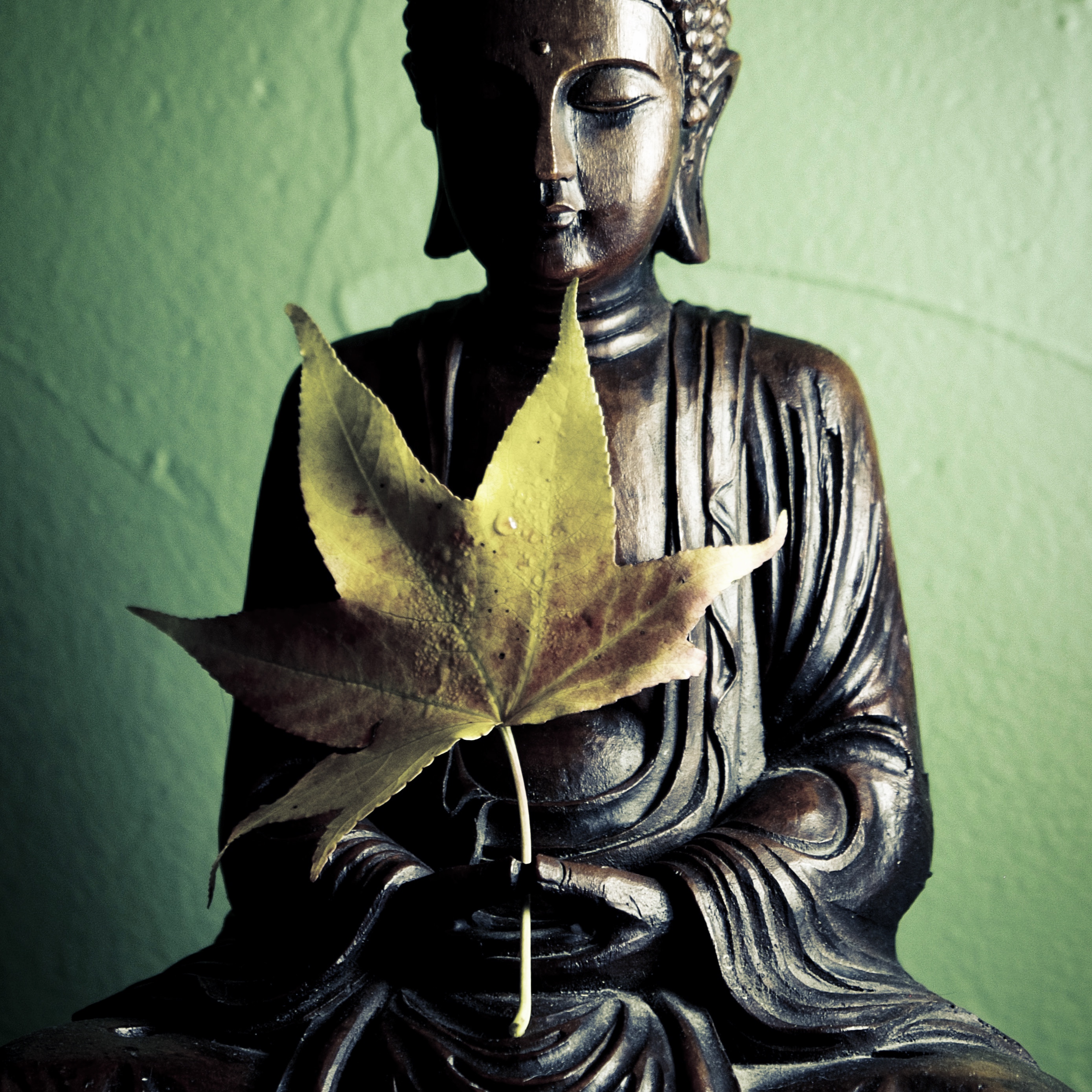
Just weeks after the summer solstice, the downward slide begins. It’s not much at first, just a slight slipping sensation, a feeling that something is changing, but, after a few months, the drop becomes precipitous. Eventually I struggle just to stay on my feet. And there’s no turning the tide as Autumn approaches and it all falls away, transmuted into mere memory: the crystalline summer lake, sweaty runs at dawn, the sunlight that keeps my mammal metabolism purring like a race car. Although I transplanted to the northern U.S. decades ago, the dramatic shortening of the days has been as hard for me to adapt to as the nasal accent and shattering cold. And so I have learned to hunker down each year as Fall descends, until, moment by precious moment, the days eventually begin to lengthen again. My precarious relationship with this greedy winter dark has always been halfhearted and grudging, though, and I’m still tempted sometimes to take it a little personally. As if I were being ripped off. As if long, light-filled days were my birthright.
I know better, of course. I have, after all, had a more or less disciplined awareness practice for years. The “spiritual” part of me “knows” that what happens happens. The seasons come and go, and the days expand and contract as reality inhales and exhales. So too, each day, the cat waits to be fed, the dishes to be done, and I grow older and older and older. And what I “know” from that point of view is that it’s all fine. It’s exactly as it should be. I have learned from the Buddha and the Tao and countless other wisdom sources that what is is okay BECAUSE it is and vice versa. When all the mentalized chatter is cleared away, there simply is no distance between the descriptive and prescriptive, the “is” and the “ought.” I know too that one symptom of insanity, and a surefire recipe for recreating it, is to make a habit of being at odds with reality. What could be more irrational than to argue with the sky? To feel spurned, then, as I sometimes do, by the sun, to permit my basic sense of joy and well-being to be tied to anything as predictably changeable as the seasons, is a kind of madness.
Besides, if I am still capable of railing against the tilt of the earth, if I can still sort of take this fact of nature personally, then what about the more particular, accidental insults of life? The natural disasters, the social and political cruelties, the petty oversights, the bruises of love and friendship. Small wonder that I sometimes suspect that the greatest spiritual challenge of all may be that of learning to make peace with the simple teaching that it just isn’t personal. Not the weather or the political climate. Not the new desk that arrived with a broken leg or the jug of laundry detergent that spilled in my car. Not the guy who wrote “faggot” on my Facebook page last week or the colleague who advises me to smile more. Of all the spiritual lessons I have encountered, there is none I have wrestled with harder than that none of this is personal. My ongoing inclination to take it personally, then, tells me much I need to know about how attached I continue to be to my small, ego-self identity.

To be fair, I do have as an excuse the pervasive myth that, in order for one to be moved to action, a situation or event must be taken personally. But the fact that we are accustomed to finding motivation to act by feeling personally offended or insulted does not mean that that is the most effective catalyst, far less that it is the only viable one. It’s a pretty common fear, though, that if we do not remain deeply rooted in outrage and indignation, then we will become navel-gazing quietests, apathetic do-nothings who can’t be bothered to stand up for our own individual rights let alone collective social justice. Many of us are so accustomed to being mobilized into action by self-referential, personally moralistic feelings of outrage that we simply do not trust ourselves to act compassionately and skillfully without that fire impelling us. What many find when they test this hypothesis, though, is that only when such ego-centric perspectives on pain and suffering are abandoned are they truly able to respond wisely and well. Indeed, the inclination to take it personally—be it a typhoon, a war, or being cut off in traffic—can distort one’s view so badly that we may respond rashly, making already difficult circumstances even worse.
To be clear, I’m not suggesting that the inclination to take things personally is a problem per se. I mean, how unhelpful would it be to point to the habit of taking things personally as further proof of personal inadequacy? To the contrary, I think there’s sometimes something kind of lovely about how we humans attach to the particularity of pain, loss, rejection, and, yes, the dark night of winter in the North. For sure, it’s during these gloomy times that I best recall this humongous lesson: that our true purpose is not—cannot be—to transcend our humanness but, rather, to recognize the rootedness of our species-being in its spiritual substrate. Our own all-too-human tendency to take things personally, then, need not itself be something we take personally and get busy trying to “fix.” For this “misstep” too belongs in the dance of a reality that spins and falls, that kicks and twists. It belongs as surely as the icy rain running down my neck as I pick my way through dark streets at six p.m., flashlight in hand. Yes, I may still sometimes take things personally, but I no longer take personally my inclination to do so. And this makes all the difference.
If you would like to be notified by email of new posts, hit the menu button above to find the link to subscribe.


Now that I think of it (I never had before), I took personally the bitterly and dangerously cold weather I encountered in my 10 years living in Minnesota. I think taking it personally was absolutely justified.
LikeLike