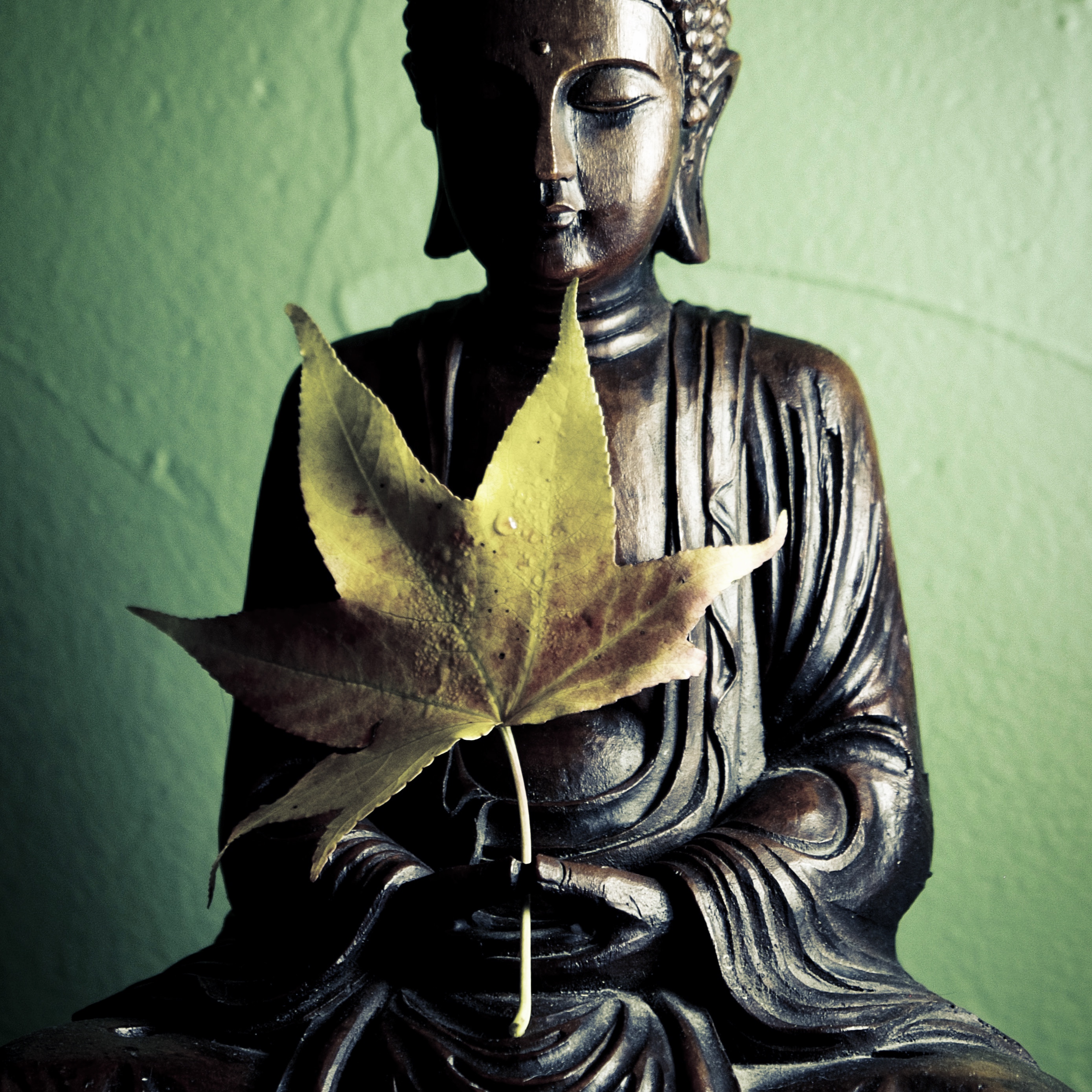
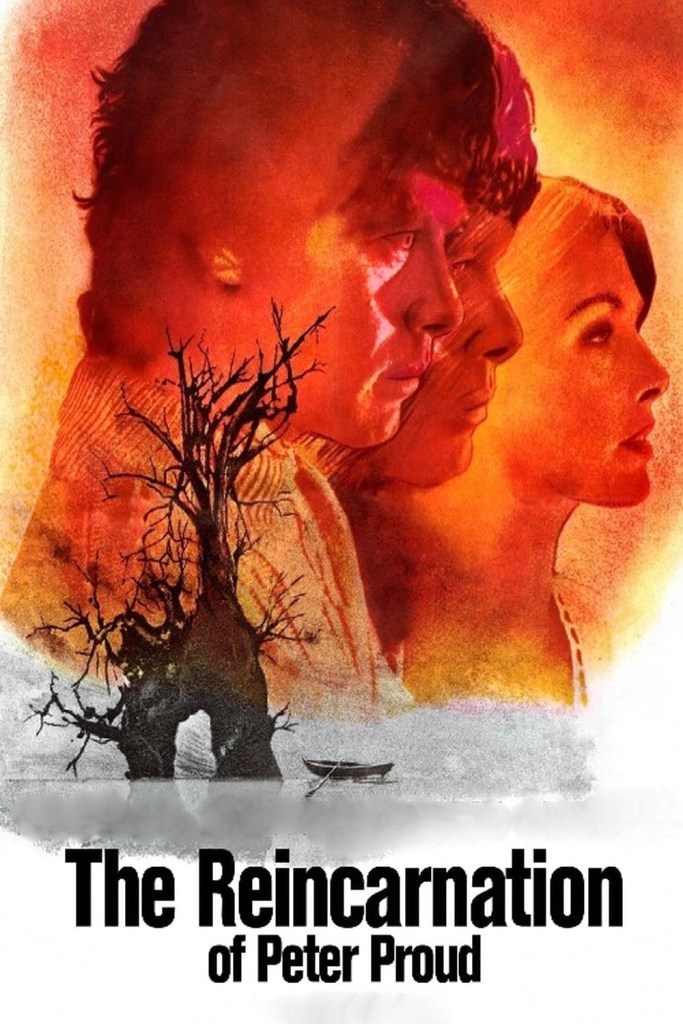
When I was a child, my mother would occasionally describe her previous incarnations, including one in which she had been Cleopatra. Because she recounted her experiences with such a sober face and included detail down to the Egyptian flora and fauna, it was years before I could confidently conclude that she’d been pulling my leg. I’m talking long after I was old enough to have known better. My mother had a taste for the supernatural, sprinkling in mentions of Bridey Murphy almost as if referring to a personal friend rather than the blockbuster paranormal book of the mid-1950s. Indeed, her copy of this paperback on reincarnation, and others like it, shared space on the bookshelf with my father’s thick blue IBM training binders. It’s an incongruous image that illustrates how different my parents were from one another.
For a kid deciding on a role model, my choice couldn’t have been much starker. There was my father, the ultra rational, clear-eyed, can-do pragmatist, focused mostly on form, function and bringing home the bacon. And then there was my mother, whose inclination toward escapism and flights of fancy were sometimes consuming. In some ways my parents perfectly embodied the gender stereotypes of their demographic: Dad working on his Oldsmobile in his horn-rimmed glasses and no-nonsense pants while my mother slapped together liverwurst sandwiches and sang along to the radio as if possessed. For my father, duty was the organizing principal of reality whereas my mother truly came alive only while playing or primping.
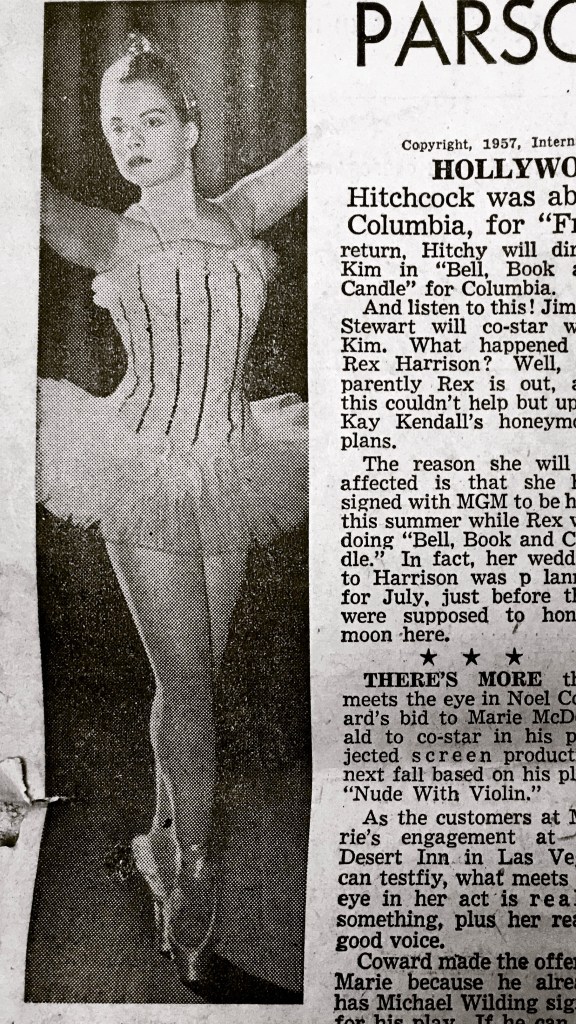
I might summarize the situation by saying that my dad was a serious and responsible parent while my mother was flighty and immature. For sure he was remarkably consistent in many ways, a clever, hardworking man who made incalculable sacrifices to meet his parental responsibilities. And he did so, it must be said, long after he and my mother divorced, an opportunity for freedom that many young men — he was still in his 20s — would have seized as an excuse to shirk the demands of fatherhood. But my mother’s sacrifices were also great. There was the obvious fact of having become a mother when she was, herself, barely out of girlhood. In just a few years, she had metamorphosized from promising teen ballet dancer to an overwhelmed parent of three.
Feminism has helped me make some meaning from my mother’s ultimately tragic story. For example, it has helped me notice how she traded in her artistic, quasi-spiritual and paranormal curiosities for recipe books, Playtex baby bottles, and the demanding project of heterosexual femininity. To some extent, she obeyed the imperative to be a “mom” as well as a woman whose looks might make her worthy of the male attention that, as far as I could tell, she never stopped craving. Predictably, over the years, this routinely resulted in her prioritizing the whims of her various “boyfriends” over the needs of her children. Not surprisingly, for me, my mother’s tendency toward speculative “flights of fancy” became dismissible as just one more expression of her immaturity and toxic romanticism.
Some of my own life choices reflect the fact that I have felt pulled between these two parental poles. Even as a tiny child, I was an eager audience for my mother’s fantastic tales and musings. As I recall, I began reading her weirdo paperbacks for myself about as soon as I could climb up on a stool to reach them. In fact, sometimes I think I learned to read so early and so well precisely so I could join her in her world of mysticism and freaky possibility. But, at the same time, I couldn’t not-see that she was, in so many ways, an outsider to “normal life,” often unable to meet even her basic responsibilities to others, including to me. Perhaps inevitably, I came to associate the magic I experienced from my mother’s creative musings mainly with frivolity, failure, and disappointment.
For me to have become a philosophy major in college and grad school was, then, kind of a stealthy choice because it gave me a semi-legitimate, mature-ish excuse for indulging my insatiable metaphysical curiosities. I could read, write and teach about god, death and souls at the same time I was responsibly earning degrees and, later, actually making my living as a more or less respectable professor. So even though I’ve often been self-critical about my decision to become a professional philosopher, I can now see it as a choice that allowed me to walk the line between my two parental role models, to stand firmly on the solid planks of responsibility laid down by my father while also keeping a toehold on the ladder to the sky first shown to me by my mother.
At the risk of totally spoiling the Mother’s Day vibe here, I want to clarify that not all of my mother’s escapist stories were benignly entertaining. For instance, according to her, the true explanation for my supposed outlier looks — mainly the color of my hair — was that the man I believed to be my father was not actually my biological parent. In compelling detail and over a period of years, my mother wove the story of my “true” father, and eventually detailed his physical description down to a scar on his cheek. As with her Cleopatra shtick, this tale too stuck with me far longer than it should have, especially since I look so much like both of my parents that strangers on the street could sometimes guess my last name.
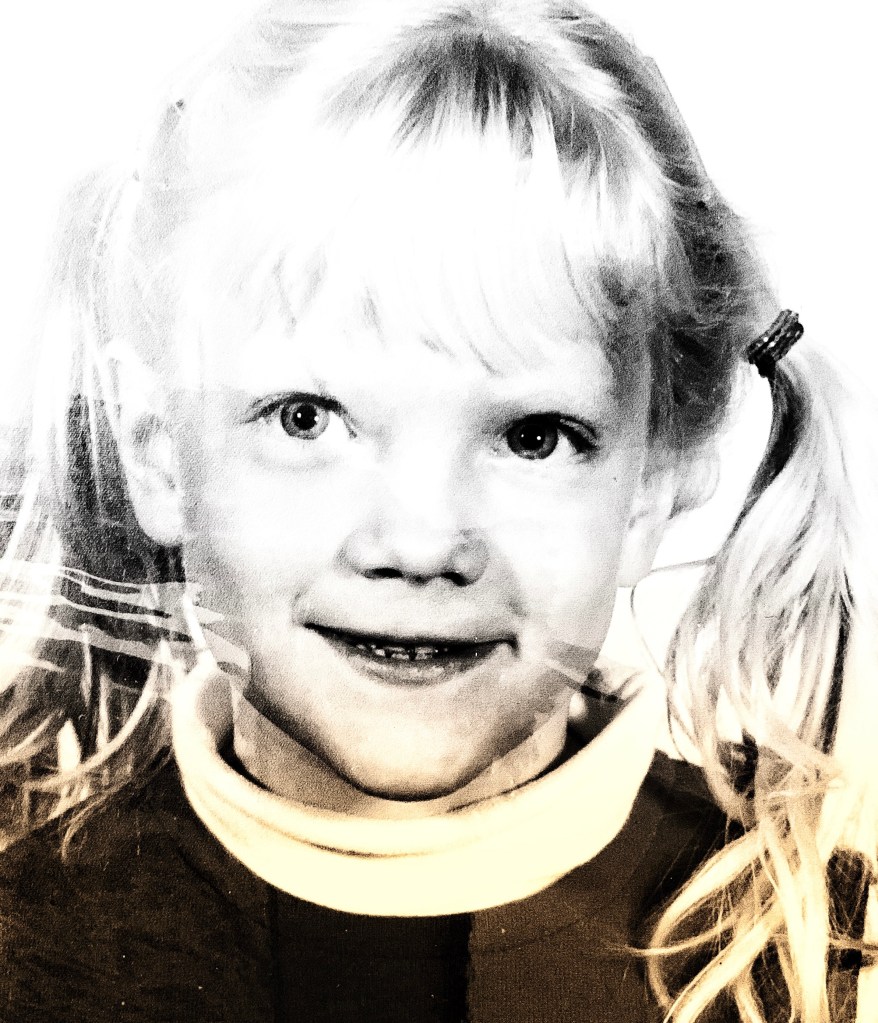
Even though I can see, of course, that this deceptive origin story was not a shining example of fine mothering, I also don’t recall ever being genuinely troubled by it. And although I can recognize that she was no Mary Poppins — artfully employing fantasy to encourage her young charges to be creative and adventurous — the overall impact on me of my mother’s weirdness has, I think, been positive. On the one hand, I was sometimes left puzzling over aspects of reality that other people seemed to take for granted. But, on the other, I’ve never been forced to live in a world limited by a mere three dimensions. The greatest gift in the whole situation, though, is that because my mother opened me to the possibility of layered realities as a very young child, I am sometimes able to feel closer to her now that she is “dead” than I did when she was alive and standing beside me.
If you’d like to be notified by email of new posts, hit the menu button above to find the subscribe link.
 OtherWise Philosophy
What a lovely testimonial!
LikeLike