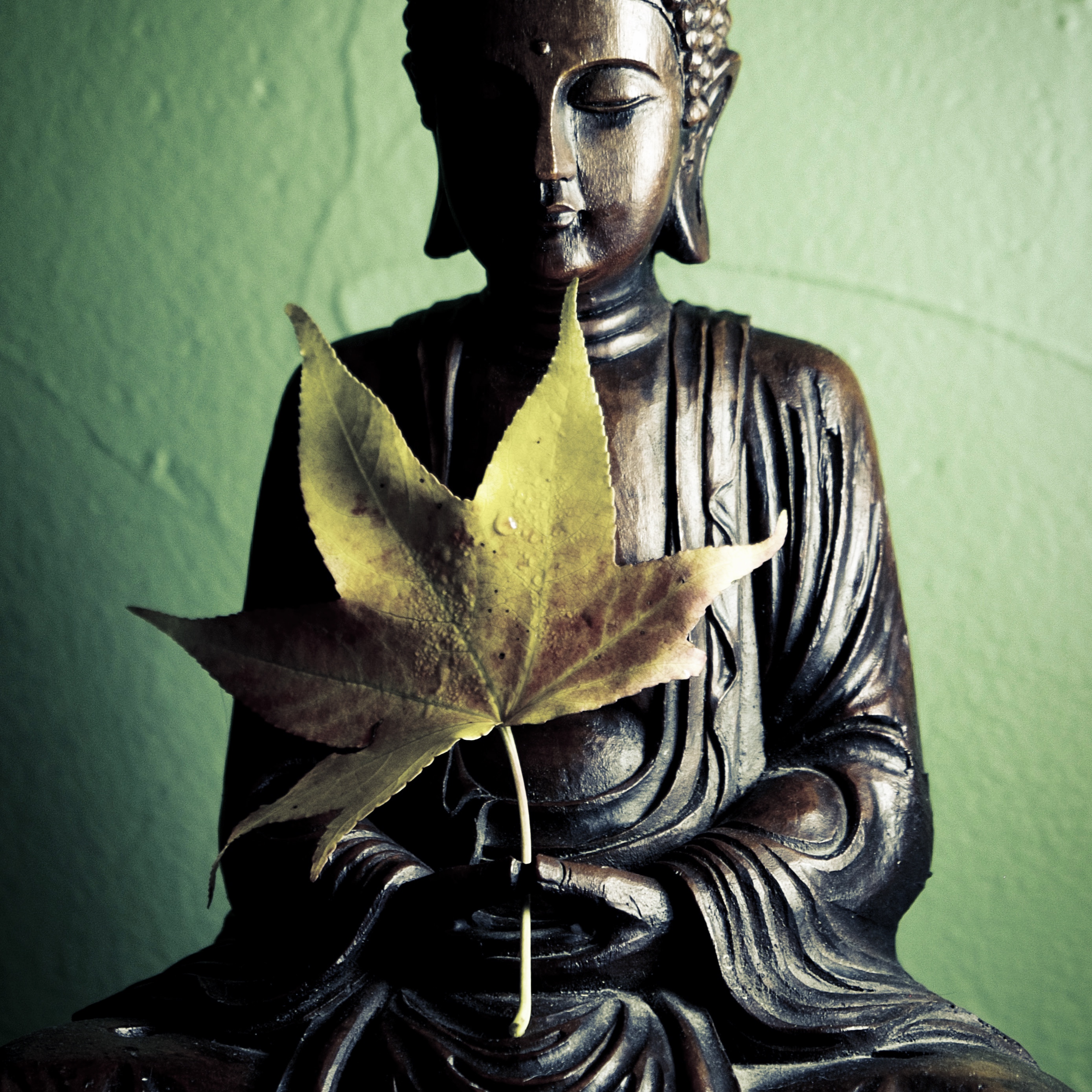
What hasn’t been rent, divided, split? Broken the days into nights, the night sky into stars, the stars into patterns I make up as I trace them with a broken-off blade of grass —Dorianne Laux
During the years I was partnered with a photojournalist, sometimes I had to remind myself: “She runs toward the disaster, not away from it.” Whether it was an industrial fire, a tornado, or a hundred-car pileup on the interstate, when I got her out-of-breath call, I knew that, as I sat reading quietly in my professor’s office, I should simply wish her good luck. Things grew more intense in the years in and around 9/11, including when we were living together in Madrid during the 2004 bombings. As almost everyone else hunkered indoors, avoiding the metro lines and city spaces, this person I loved gathered her cameras and looped her press i.d. lanyard around her neck. She headed towards the smoke and mayhem, towards the sirens and the screams. Then, too, I repeated my mantra: “She runs toward the disaster and not away from it.” It’s not that this was ever especially soothing to me, but it did keep me from clinging to her on those late nights when she headed out to bear witness to god-knows-what.
Long after she and I went our separate ways, and even now, years later, I repeat a version of that mantra to myself, except that now I have in mind, not this brave, brilliant photojournalist, but myself: “I move toward disaster, not away from it,” I say. To be clear, I haven’t taken on dangerous work. The risks I take are relatively mild, mostly intellectual, emotional, and social. But as part of my journey toward spiritual expansion and personal growth, at some point I was struck by a teacher’s advice that I’d have to stop running away from what frightened me. Her hauntingly simple recommendation was to stop, to sit in the full, open presence of whatever appeared to my conscious awareness. What she had in mind was a radical, full stop, one in which, not only would there be no escape into physical busyness, but nor would I retreat into intellectualized, psychologized, or sentimentalized stories in which I emerged as martyr or hero. My teacher knew that when our feelings and bodily sensations are fully encountered, openly encountered, without resistance or rationalization, without the mediating influence of any story whatsoever, they are unmasked. The roaring lion is revealed to be a purring pussycat who will, if you are patient and still, climb into your lap and fall asleep.
There have, of course, been gaps in my ability to fully internalize this advice, a simple consequence of being a normal human. In fact, while it may be a pop-psych truism that we should confront our own interior darkness, it’s not clear that very many of us actually do it. Once an uncomfortable sensation of shame, rejection, self-hatred, or grief arises, most of us retreat. Usually this means we become very busy, internally, externally, or both—often with the problems and lives of other people—to avoid the descent into our own imagined darkness. As many have noted, supporting such self-avoidance seems to be one of the main purposes contemporary Western society. So long as we are all desperate to flee from the imagined monsters under our bed—including the fear of death itself—we will agree to be worked to death by our employers and also be reliable consumers of the myriad distracting activities and substances.
Unfortunately, over time, many of us—especially, perhaps, the most sensitive among us—must resort to increasingly intense avoidance strategies. And so we pile addiction upon addiction, become busier and busier, and more and more invested in the lives of others—including politicians or TV characters—than in our own lives. If we’re especially earnest, then at some point we may even become very busy with “self-improvement” projects and “spiritual” practices. The obvious attraction of these is that we may feel spiritually virtuous even as the goals of “self-care” and “self-improvement” spawn ever more excuses to keep us from stopping and actually looking at an interior reality that feels increasingly unacceptable, if not horrifying.
The life of a spiritually rich person, by contrast, like that of the dedicated photojournalist, requires overcoming some of our “normal” impulses, those reflexive inclinations to flee from or fight against what frightens us. In a way, then, the spiritual journey requires us to make peace with the nervous, reactive energy of our own animal nature and to grow beyond self-protective habits that may, at one point, have been adaptive. To reassure our body and mind—perhaps with the support of counseling, meditation, or other practices—and stand our ground when we hear the unfamiliar noise we imagine to be a hungry bear. This process would be straightforward except that the loudest voice in our head is probably the ego, a liar eager to keep escalating the drama about why it’s not safe to stop. Not yet. Maybe later. Maybe after I get a better job. Or once I am healed from my wounds. Maybe after my kids are grown. After I retire. And on and on. This loud, lying voice is always has reasons for why now is not the right time, for why I should wait and wait, as if being a damaged human itself were an obstacle to spiritual growth rather than a precursor for it.

But the human body and life circumstances—including the discomfort intrinsic to it and that which is associated with abuse—is not an impediment to awakening. To the contrary, our tottering, fragile, resilient human experience is the very ground for such realization, just as it is from the mud and darkness that the water lily arises and opens to the sun. The uncomfortable sensations we experience as the kind of creatures we are, then, are not meant to be corrected or avoided by way of spirituality or anything else. They are, rather, visitors to be welcomed to the table regardless of the costume they may wear, guests who will reveal their true nature only when they are fully countenanced and embraced. We do not make progress on the spiritual path by transcending our humanity, then, but, rather, by bearing faithful witness to our imperfect, sloppy, painful, damaged, messy selves.
I think this may be at the root of that Buddhist story where Mara, a demonic personification of suffering and temptation, demands that the Buddha justify his right to enlightenment. The witness the Buddha calls on his own behalf is not the sterility of the heavens or some representation of his own abstract purity. Instead, he touches the earth that he sits upon as the true witness to all he has endured. The earth that has given rise both to his own imperfect body, with its pains, longings and compulsions, and to the gnarled bodhi tree that shades him. After years of trying to bracket off and run from his humanity—first through pleasure and distraction, and then through esoteric spiritual practices and asceticism—the Buddha reaches out, and with his scarred and trembling hand, he touches the warm, rutted earth.
If you’d like to receive new posts by email, hit the menu button above to find the link to subscribe.
 OtherWise Philosophy